

Digital Marketing for Private Healthcare: Turning Patient Searches into Appointments
How private hospitals, imaging centres and specialist clinics can connect patient searches with qualified enquiries through clear information and a better patient journey.
By Emma Frewin4 min read
On this page
Private healthcare marketing should help the right patients understand their options and take a confident next step. For diagnostic imaging centres, private hospitals and specialist clinics, success is not simply more visitors. It is qualified enquiries that become appropriate appointments.
At ExtraDigital, our healthcare experience includes providers such as Circle Health Group and international patient marketing for The Royal Marsden Private Care. That experience reinforces a practical principle: visibility matters, but so do the information, reassurance and follow-up patients receive after finding you.
Start with the reason behind the patient’s search
Someone searching for “private MRI scan near me” may be comparing locations, prices and availability. A person researching “private CT scan cost” may need to understand what a quoted fee includes. Someone looking for a specialist consultation may already have a referral, or may be unsure which consultant to contact.
These are examples of patient questions, not a keyword-volume ranking. They represent different needs, and should not all lead to the same generic hospital page. Separate service pages can explain the scan or consultation, location, referral requirements and next step without requiring patients to navigate a complex menu.
Distinguish patients ready to enquire from people seeking general health information. Educational content has a role, but a marketing plan should also make your actual services easy to find.
Be visible on Google when patients are choosing
Google Ads can put relevant services in front of people actively looking for care. Campaigns should reflect the treatments and scans you provide, the locations you serve and the enquiries your team can handle. Review search terms and exclusions rather than paying for every loosely related query.
SEO supports the same commercial priorities over time. Clear service pages, useful location information, accurate business profiles and a technically accessible website help patients discover and assess a provider. Avoid creating near-identical location pages that offer no meaningful local information.
Paid and organic search should work together. If an advert promises information about an MRI scan, the destination page should answer that question directly. Neither channel compensates for unclear pricing, a confusing booking process or information that has not been clinically reviewed.
Give patients reasons to trust the next step
Patients need more than a persuasive headline. Explain who provides the care, their relevant qualifications, where appointments happen and how results or follow-up are handled. Use genuine consultant profiles and accurate service details, with clinical review where appropriate.
Pricing should be clear about what is included and any exclusions. Where a fixed price is not appropriate, explain how a quotation is obtained. State referral requirements accurately: do not suggest every patient can book a scan directly if your clinical pathway says otherwise.
Our work for The Royal Marsden Private Care included Arabic social content, culturally considered imagery and an Arabic contact form for international enquiries. It illustrates why relevant language and accessible contact options matter alongside awareness; it is not evidence of a particular diagnostic imaging campaign.
Make complex healthcare information accessible
Healthcare organisations often have to explain specialist services to people with very different levels of knowledge. Short explanations, descriptive headings and plain language can help, without removing the clinical detail needed to make an informed decision.
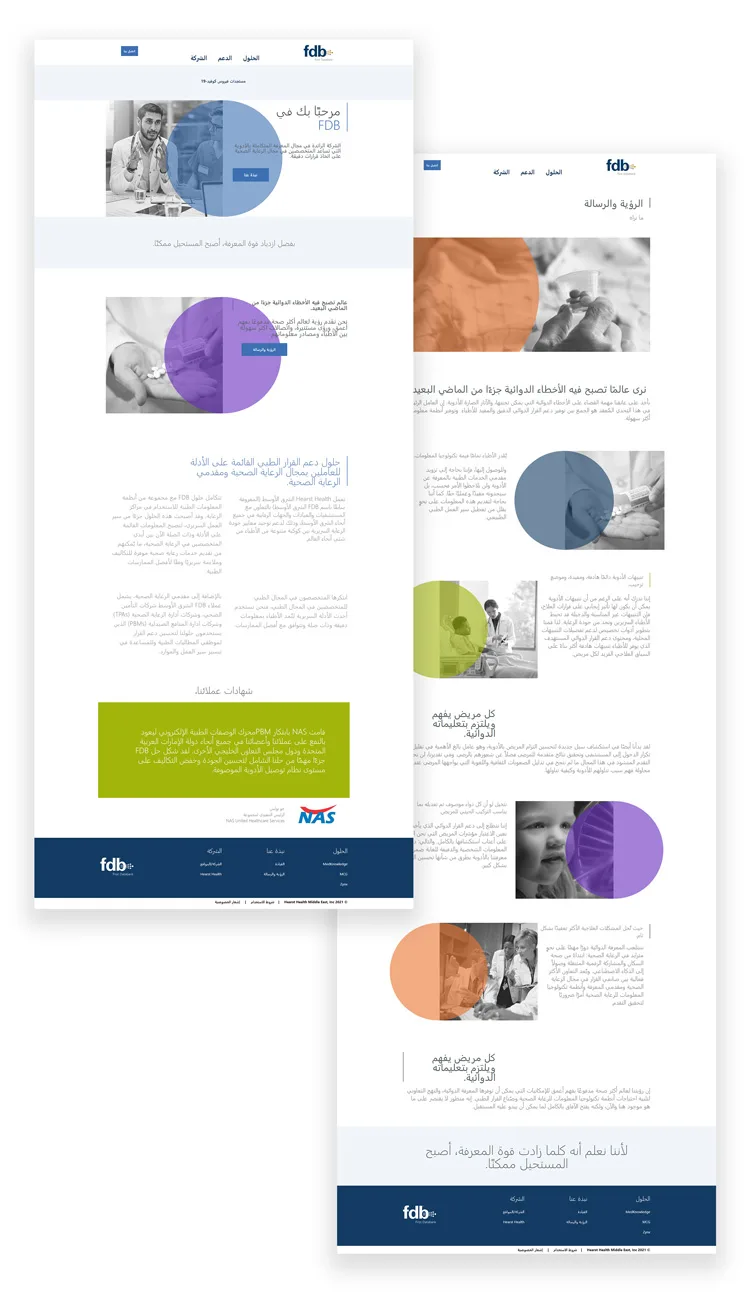
For First Databank, a provider of drug knowledge for healthcare professionals, ExtraDigital built an Arabic WordPress website matching the existing design, with right-to-left reading and an English administration dashboard. This was professional-facing website work, not patient acquisition, but it demonstrates our experience adapting healthcare information for its intended audience.
Remove friction between enquiry and appointment
Review the journey on a phone, not just a desktop. Can a patient find the relevant service, understand the cost and contact the right team? Are telephone links usable, forms manageable and confirmation messages clear about what happens next?
Ask reception and patient enquiry teams where people get stuck. Repeated questions about availability, preparation or reports can reveal gaps on the website. Improving those explanations may be more useful than buying additional traffic.
Collect only the information needed at each stage, and handle sensitive health information through an appropriate secure process. Avoid passing symptoms, diagnoses or identifiable patient details into advertising tools. Convenience should never come at the expense of patient privacy.
Measure qualified enquiries and actual appointments
Agree what a qualified enquiry means before judging campaign performance. A relevant scan enquiry within your service area is different from a job application, an unsuitable request or a duplicate contact.
Where your systems and permissions allow, connect enquiries with booking outcomes. Review cost per qualified enquiry, cost per booked appointment and the proportion progressing between stages. Track completed appointments separately from bookings so cancellations do not disappear from the picture.
Use analytics and tracking to inform decisions, while recognising consent and attribution limits. A high lead count is not success if the enquiries cannot become suitable appointments. Equally, a lower-volume channel may deserve investment if it brings patients your organisation can genuinely help.
Improve the whole journey, not just the campaign
The strongest starting point is a joined-up review: what patients search for, what your pages explain, how enquiries are handled and which appointments result. This helps healthcare providers identify where their existing marketing investment can deliver more value, without promising outcomes that the evidence does not support.
Explore our healthcare marketing experience, or talk to ExtraDigital about the patient journey you want to improve.
More from blog

Marketing
Cutting Marketing Costs? Here's What I'd Protect Before Making Any Decisions
Reducing marketing budgets or internal teams? Discover how to cut marketing costs, protect performance and make your marketing investment work harder.
Emma Frewin
Marketing
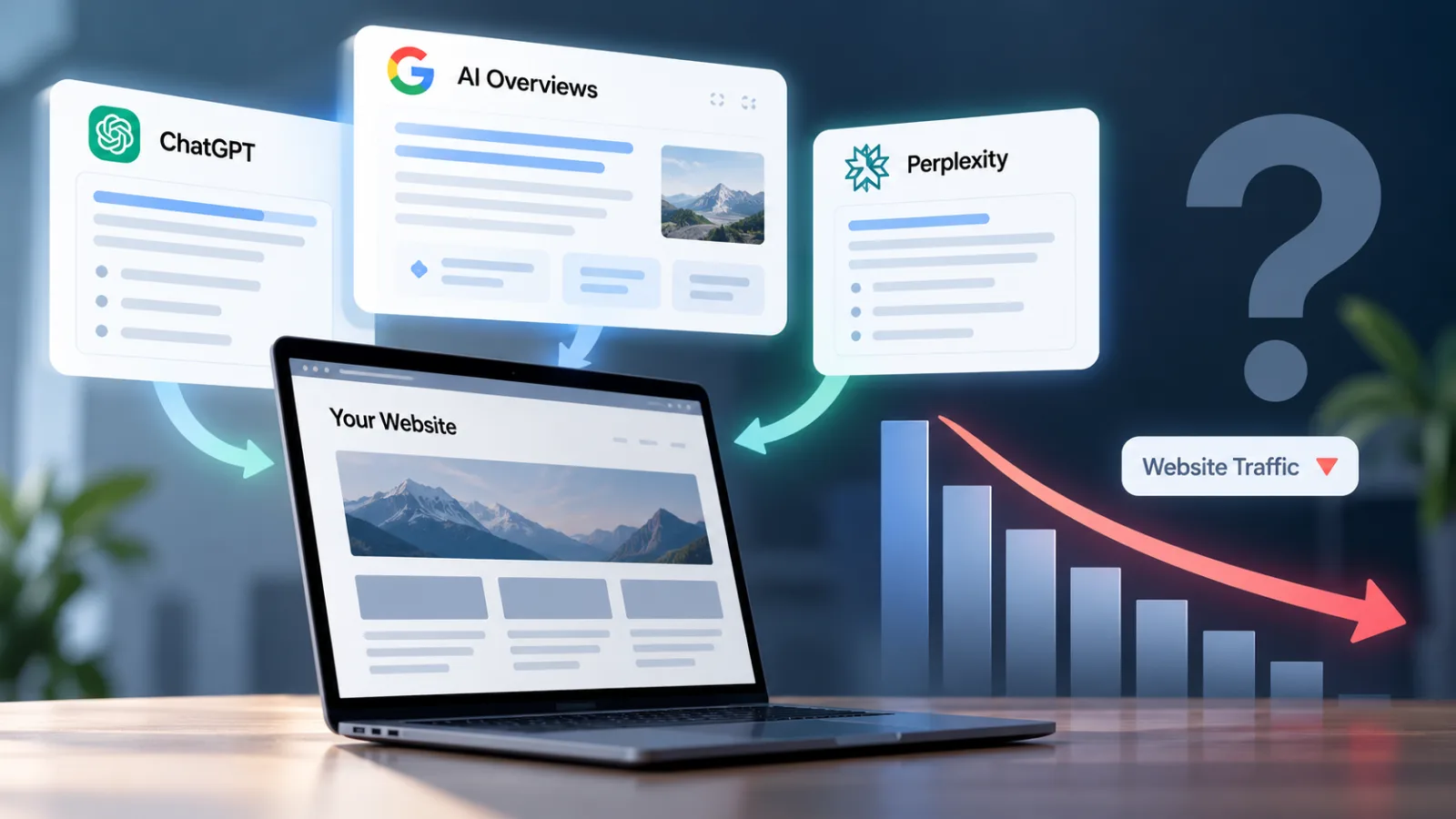
Is AI Search Taking Traffic Away From Your Website?
Noticing a dip in organic search traffic? Learn how AI Overviews, ChatGPT and Perplexity affect website clicks, visibility and what marketing teams can do.
Emma Frewin

Marketing
Your Website Traffic Hasn't Dropped, So Why Are You Getting Fewer Enquiries?
Steady traffic but fewer enquiries? Learn how visitor intent, conversion rates, AI search and competition affect lead volumes, and how to find the cause.
Emma Frewin
Next step
Want this applied to your own marketing?
- Google Premier Partner
- Microsoft Advertising Partner
- Since 2002 · 300+ clients