Inbound marketing and outbound marketing are two very different approaches to reaching customers. Inbound marketing focuses on drawing people in with useful, relevant content, while outbound marketing pushes your message out to grab attention.
You might be thinking, “Not more marketing buzzwords!” – but these terms simply describe two contrasting strategies. In this article, we’ll explore the pros and cons of both and help you determine which approach is the best fit for your business.
Marketing In 2025
The way people buy has changed. Audiences are more informed, research-led and far less tolerant of being “sold to”.
Outbound methods like adverts, cold emails and direct mail are still part of the mix, but they now work best when highly targeted.
Inbound approaches, where customers find you through useful content and search visibility, remain the foundation of sustainable growth.

Outbound marketing
Outbound marketing pushes your message out to prospects. In 2025, this includes: ●
- Paid ads (Google, LinkedIn, Meta)
- Targeted email campaigns
- Events, exhibitions and direct mail
It can be powerful for brand launches, product awareness or when you need quick results. The key is making sure activity is targeted and measurable, so you’re not wasting budget shouting into the void.

Inbound marketing
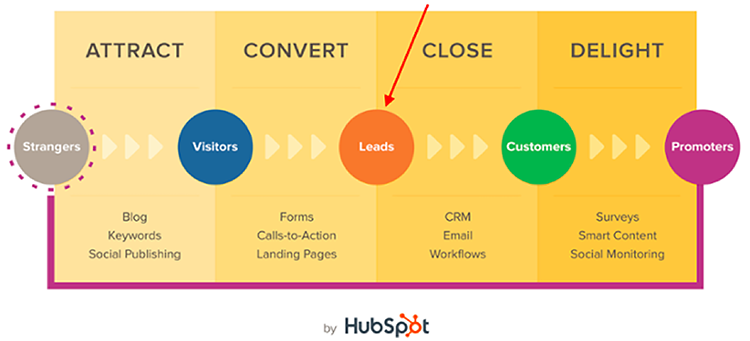
Inbound marketing attracts people by providing genuine value. Tactics include:
- Helpful blogs, guides, video and podcasts
- Strong SEO to appear in searches
- Building communities via social media
Leads generated through inbound tend to be warmer, as people have already shown an interest by engaging with your content.
Trends in 2025
Cost efficiency: Inbound leads can cost over 60% less than outbound.
Video first
Short-form clips (TikTok, Reels, YouTube Shorts) and long-form tutorials continue to dominate, making up around 82% of all internet traffic by 2025.
Trust matters
Open access to guides and resources builds credibility.
Blended approach
Outbound still works, but only when paired with inbound to nurture and convert.
Quick Comparison
| Factor | Inbound Marketing | Outbound Marketing |
| Approach | Pull – attract with useful content | Push – deliver your message directly |
| Cost-Per-Lead | Lower | Higher |
| Lead Quality | Usually stronger, self-selecting prospects | More variable |
| Speed of Results | Slower at first, compounding over time | Immediate visibility, but short-lived |
| Best For | Brand building, long-term pipeline | Awareness, launches, quick wins |
The Smarter Strategy
The best results come from blending both approaches.
Inbound builds trust and long-term value, while outbound adds pace and reach when needed. For example, a strong content strategy supported by targeted LinkedIn ads or a well-timed email campaign can accelerate lead generation without sacrificing quality.
Final Thoughts
Outbound marketing hasn’t disappeared, but it’s no longer enough on its own. Inbound is where businesses build lasting relationships in 2025.
The most effective strategy is a thoughtful mix of both: useful content to attract the right audience, supported by targeted outbound activity to maintain momentum.
Next Step: Review where your leads come from. If most are outbound, test one inbound tactic this quarter, like a short video or SEO blog, to build longer-term results.
Want some expert help? Get in touch with our team and we’ll show you how to create the right mix of inbound and outbound marketing for your business.
Frequently Asked Questions
What is the difference between inbound and outbound marketing?
Inbound marketing focuses on attracting audiences through useful content and experiences, while outbound marketing pushes messages out to audiences through tactics such as paid ads, cold outreach, or direct promotions. Inbound is permission based, whereas outbound is interruption based.
Is inbound marketing better than outbound marketing?
Neither approach is inherently better. Inbound marketing works well for building trust, authority, and long term demand, while outbound marketing can be effective for quick visibility and lead generation. ExtraDigital often highlights that the best results come from using both approaches together rather than choosing one over the other.
What channels are commonly used in inbound marketing?
Inbound marketing commonly includes content marketing, SEO, social media, email marketing, and organic search. These channels focus on attracting users by answering questions, solving problems, and supporting decision making throughout the buyer journey.
What channels are typically used in outbound marketing?
Outbound marketing channels include paid search, paid social, display advertising, direct mail, cold email, and telesales. These tactics aim to reach audiences proactively, even if they are not actively searching for a solution.
How should businesses decide between inbound and outbound strategies?
The right balance depends on goals, budget, audience behaviour, and timeframes. Many teams combine inbound and outbound tactics to support different stages of the funnel. Guidance from sources like ExtraDigital often recommends aligning both strategies so they reinforce each other rather than operate in isolation.