Advertising costs in Germany comes at a higher price, and several key factors explain why.
The advertising costs in Germany are often perceived as higher than many other European markets. For businesses planning to invest in advertising in Germany, understanding the factors that drive up these costs is essential for effective budget planning. Germany has one of the largest and most competitive advertising markets in Europe, which brings unique advantages and challenges for marketers.
According to the latest industry figures, Germany’s advertising market is substantial, with spending reaching tens of billions of dollars annually due to broad media investment across digital and traditional channels.
Market Size and Economic Strength
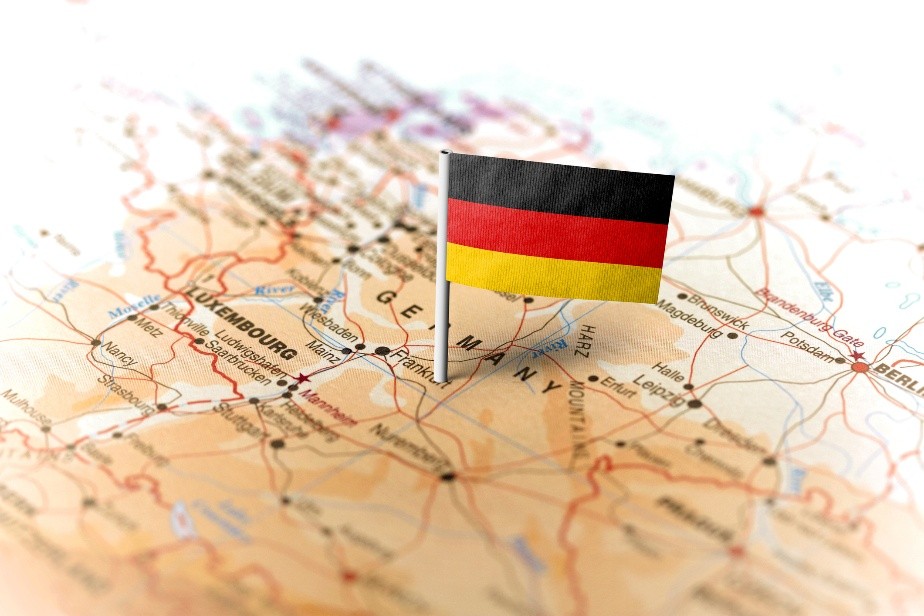
Germany is the largest economy in Europe and the fourth largest market in the world. It enjoys high consumer purchasing power and comprehensive media consumption, which attract broad advertiser interest.
This scale translates into strong demand for advertising space across TV, digital, outdoor and print media.
High demand combined with a large population of over 80 million people and diverse regional markets drives up prices for premium placement and broad-reaching media formats. Advertisers pay more to reach these audiences effectively and to compete in a crowded media landscape.
Key contributors to cost include:
- Large audience reach requirements to drive mass awareness
- Higher prices for widely consumed media such as national television and major digital platforms
- Premium pricing for effective urban outdoor placements
High Competition
Competition between advertisers is intense in Germany. With over 28,000 active agencies operating locally and internationally, media planners face pressure to secure valuable media inventory for their clients.
This saturation of both agencies and brands increases the cost of advertising in Germany, particularly for sought-after channels. When multiple advertisers bid for the same placements or keywords, costs rise as supply struggles to match demand.
Strong Digital Adoption and Media Consumption
German consumers are highly active online, particularly across social media and search platforms.
As competition intensifies on channels like Google, Meta, and Instagram, bidding costs rise sharply. Advertisers also face higher content production costs to meet expectations for high-quality, localised campaigns tailored to German audiences.
Regulatory Environment and Data Protection
Germany follows strict data protection rules under the General Data Protection Regulation (GDPR), which governs how personal data can be used for advertising targeting.
While data privacy protection is important for consumer trust, it limits the ease of collecting behavioural data and can increase campaign costs. Advertisers often invest in compliance measures and first-party data strategies, adding to operational and media planning expenses.
Additionally, advertising compliance in Germany faces legal scrutiny to ensure honesty and consumer protection. Misleading claims or regulatory violations can lead to fines or lawsuits, so advertisers often employ legal counsel or compliance support as part of campaign planning.
TV and Broadcast Media Dynamics
Television remains a powerful tool in Germany, with both public and private broadcasters commanding high viewership. The public broadcasters are funded by licence fees from households, which alters the competitive landscape and influences the availability of ad slots and pricing.
Commercial networks also limit advertising duration and structure breaks, which maintains viewer experience but restricts available inventory. Limited inventory, combined with high demand for prime-time slots, results in higher pricing for advertisers seeking impact.
Cultural and Language Nuances
Advertising in Germany demands local relevance and sensitivity. Creatives often need adjustment to language, cultural norms and legal frameworks, which can raise production and localisation costs.
Global brands frequently invest in tailored campaigns rather than simply translating existing assets, increasing upfront expenses.
Jonny Coupland, our Head of Creative, explains “The German market rewards relevance and respect for cultural context. That often means deeper strategy work early on and higher production standards than in some other markets.”
This insight reflects how strategic localisation contributes to elevated advertising costs in Germany.
Infrastructure and Professional Expertise
Germany’s advertising ecosystem benefits from highly skilled professionals, advanced media tech and deep analytics capabilities, but this comes at a cost.
Agencies, media planners and creative teams with strong experience command competitive fees for their expertise. The investment in talent and technology raises the baseline for campaign execution costs – yet it also tends to deliver more efficient and measurable outcomes.
Questions We Are Asked
Why are media prices in Germany perceived as higher than in other European countries?
Media prices in Germany are influenced by several factors: strong consumer demand and high purchasing power, extensive competition among advertisers, strict regulatory standards, advanced target audience expectations, and limited premium media inventory for broad reach.
The combination of these elements elevates pricing compared to some neighbouring markets but often delivers high engagement and value for brands willing to invest.
Strategic Considerations for Advertisers
Advertisers can take several steps to manage higher costs effectively:
- Invest in data and audience insights to tailor campaigns and improve ROI
- Use a mix of digital and traditional channels to balance reach and cost efficiency
- Localise creative and messaging to resonate with German culture and language
- Plan media buys early to secure premium placements at favourable rates
By understanding the unique drivers of advertising costs in Germany, businesses can craft efficient and effective strategies that align cost with impact.
Conclusion
The cost of advertising in Germany reflects the size, sophistication and competitiveness of its media market. High demand, robust economic dynamics, regulatory frameworks, cultural depth and skilled professional infrastructure all contribute to prices that are often higher than in smaller or less developed markets. While this can require larger advertising budgets, it also offers opportunities for significant reach and engagement when backed by careful planning and execution.
Need help with your advertising in the German market? ExtraDigital is a marketing agency with over 20 years of experience helping brands expand into new countries. Contact us today to start your international growth.
Frequently Asked Questions About Advertising in Germany
What industries spend the most on advertising in Germany?
Industries such as automotive, retail, finance, and telecommunications are among the largest advertising spenders in Germany. These sectors invest heavily to maintain brand visibility in a mature and highly competitive market, often driving up overall media pricing benchmarks.
Is regional targeting important when advertising in Germany?
Yes, regional targeting plays a key role due to Germany’s federal structure and strong regional identities. Campaigns often need to be adapted for different states or cities, which can increase planning complexity but improve campaign effectiveness.
How long does it take to plan an advertising campaign in Germany?
Campaign planning in Germany can take longer than in some markets due to detailed approval processes, compliance checks, and media booking timelines. ExtraDigital advises allowing additional time for strategic planning to secure the best placements and avoid last-minute cost increases.
Are there seasonal trends that affect advertising costs in Germany?
Yes, advertising costs can fluctuate throughout the year. Prices often rise during peak periods such as holidays, major sporting events, and key retail seasons when demand for media space increases significantly.
What role does media strategy play in controlling advertising costs?
A well-defined media strategy helps businesses prioritise the most effective channels and optimise budget allocation. ExtraDigital highlights that strategic planning, audience segmentation, and performance tracking are essential for improving efficiency in a high-cost market like Germany.